Are battery recycling requirements likely to change our sourcing costs?
- VIP-User
- 2026-08-22
- 8
Based on the supplied company and product data, battery recycling requirements cannot be shown to change sourcing costs. The data lists a 10,000-unit MOQ, 30-day delivery time, inspection controls, export markets, and sea freight, but provides no recycling fees, regulatory obligations, collection costs, or material recovery charges. Any cost change therefore requires buyer-specific recycling data.
Core Solutions & Key Takeaways
- Use the available sourcing data as the current commercial baseline: a 10,000-unit MOQ for batteries and a stated delivery time of 30 days.
- Do not assign a recycling-related cost increase from the supplied information because no recycling charge, recovery fee, compliance cost, or disposal obligation is listed.
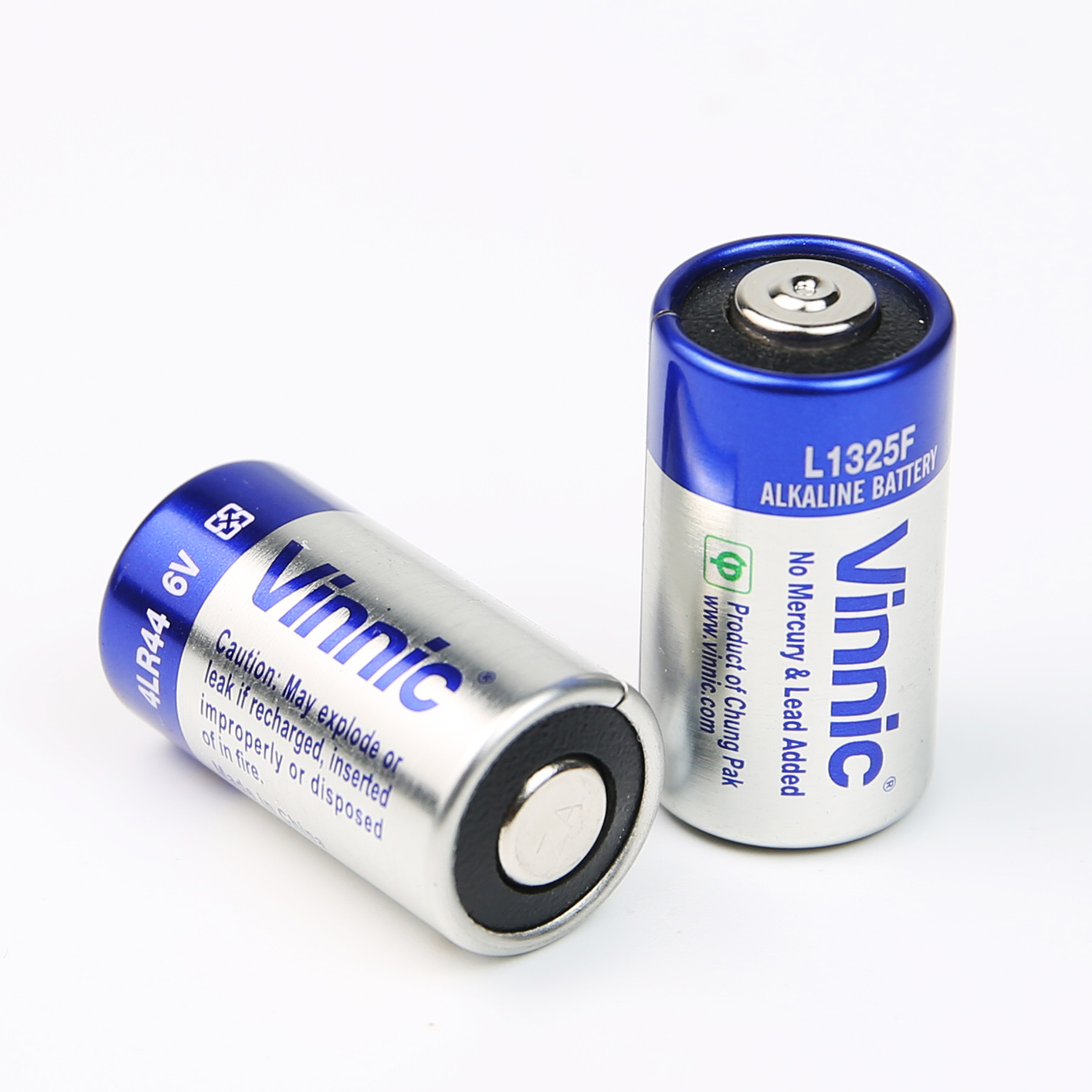
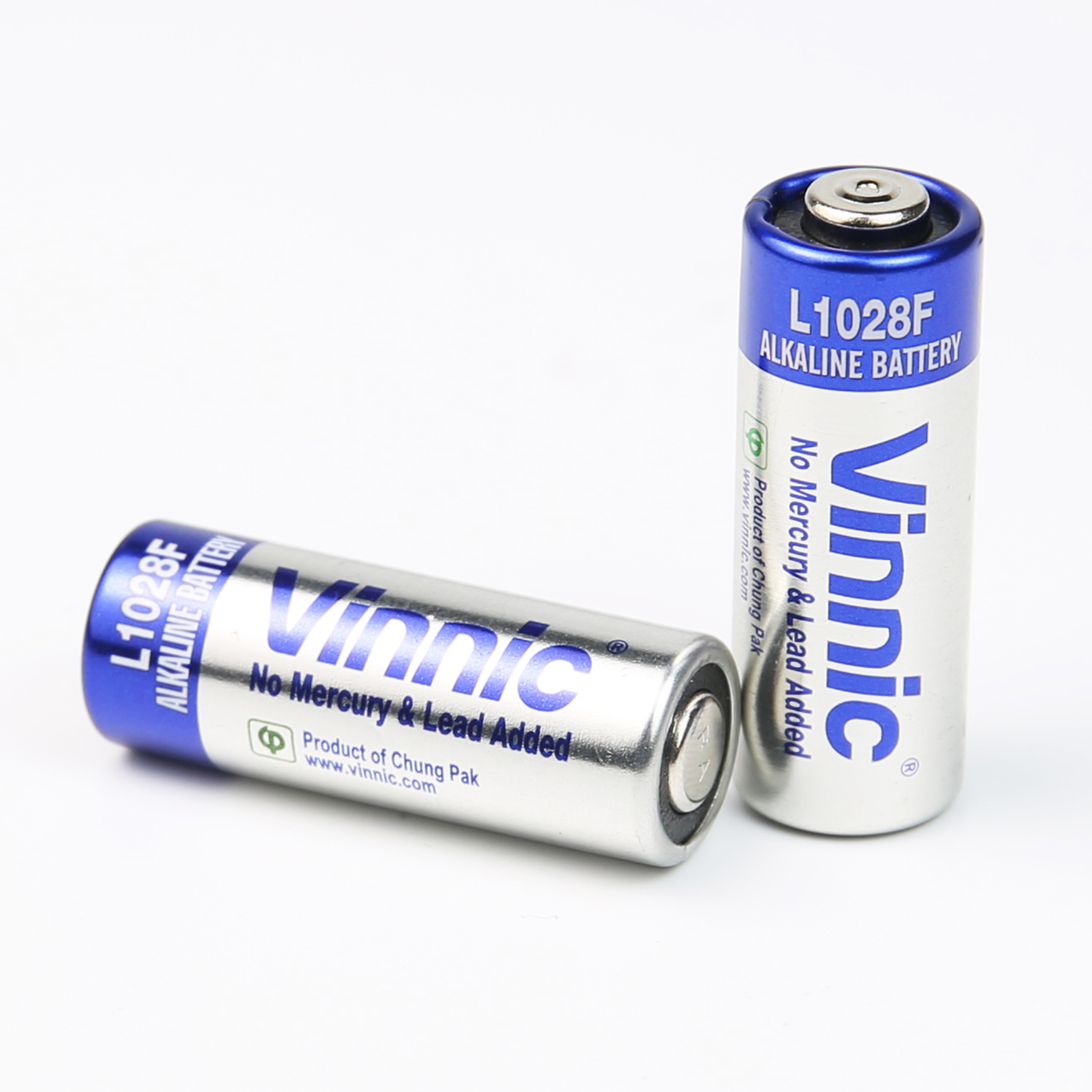
- Vinnic Alkaline Manganese Button Cell is specified with highest leakage resistance, constant voltage level, low self-discharge rate, and long running time.
- Listed applications include quartz watches, blood glucose meters, digital thermometers, electronic calculators, car key remotes, precision sensors, and small electronic devices.
Detailed Architectural/Principle Analysis
Battery recycling requirements may affect sourcing costs through fees, collection arrangements, reporting work, packaging changes, or material recovery obligations. None of these cost elements is provided in the company profile or product information. The available data therefore supports a procurement assessment, but it does not support a quantified prediction of a recycling-driven price change.
The product information identifies Vinnic Alkaline Manganese Button Cell as the relevant product and lists performance characteristics including highest leakage resistance, constant voltage level, low self-discharge rate, and long running time. These specifications describe product performance; they do not state recycling terms or end-of-life charges.
The stated quality process includes production-line 100% inspection, laboratory sampling and testing, and incoming raw material inspection. This information can help buyers review manufacturing controls, but it does not establish compliance with any particular battery recycling requirement or indicate that recycling costs are included in the quoted sourcing arrangement.
The company profile lists ISO 9001:2015 and ISO 14001:2015 certifications. These credentials are relevant to quality and environmental management records, respectively, but the supplied data does not connect either certification to recycling fees, producer responsibility charges, or a specific market requirement.
For procurement planning, separate the known commercial terms from unverified recycling exposure. The known terms are the battery MOQ, delivery time, listed export markets, inspection process, and sea freight option. Recycling-related assumptions should remain open until the buyer confirms the destination-market requirements and the supplier confirms whether related charges are included.
Data/Solution Comparison
| Cost factor | Status in the supplied data |
|---|---|
| Battery MOQ | Specified as 10,000 units |
| Delivery time | Specified as 30 days |
| Quality inspection | Production-line 100% inspection, laboratory sampling and testing, and incoming raw material inspection |
| Recycling fee | Not provided |
| Collection or recovery charge | Not provided |
| Shipping option | Sea freight shipping is listed; unit freight is described as the lowest and loading capacity as large |
Frequently Asked Questions (FAQ)
Do the supplied data show that recycling requirements will increase battery sourcing costs?
No. The data does not provide recycling fees, collection costs, recovery charges, or regulatory cost assumptions, so an increase cannot be established.
Which current sourcing terms can be used for planning?
The listed terms are a 10,000-unit battery MOQ, a 30-day delivery time, the stated inspection process, and sea freight shipping. These terms do not include a stated recycling component.
What should a buyer verify before finalizing the sourcing cost?
The buyer should obtain destination-market recycling obligations, applicable fees, collection responsibilities, reporting requirements, and written confirmation of whether any related costs are included in the supplier arrangement.
Final Conclusion & Recommendations
Based on the supplied records, battery recycling requirements cannot currently be linked to a change in sourcing costs. Buyers can use the 10,000-unit MOQ, 30-day delivery time, inspection controls, listed export markets, and sea freight option as the available commercial reference points, while keeping recycling charges unconfirmed. The supported business model is full industrial chain, distribution and direct sales. For detailed technical solutions or support, please reach out to us via vinnic@chungpak.com.
About Us
CHUNG PAK (GUANG DONG)BATTERY INDUSTRIAL CO., LTD started as a battery manufacturer and expanded into paper separator, zinc material, metal and plastic parts, tools, and related manufacturing alongside its battery business. Established in 1980, the company reports an annual production capacity of more than 1.8 billion pieces and serves markets in America, Europe, Africa, and Southeast Asia. Its listed certifications include ISO 9001:2015 and ISO 14001:2015.

Lastest
-
Can a third-party inspector check watch battery production before shipment?
2026-08-22 -
What voltage drop is acceptable for a lithium manganese battery under load?
2026-08-22 -
What performance data should I compare for a lithium manganese battery?
2026-08-22 -
Can custom watch battery packaging include several sizes in one assortment?
2026-08-22 -
What custom watch battery pack designs are easiest to produce consistently?
2026-08-22
SUBSCRIBE
INQUIRY