Are lithium manganese battery prices usually lower at higher annual volumes?
- VIP-User
- 2026-10-03
- 1
Lithium manganese battery prices are usually lower at higher annual volumes. High-volume procurement allows manufacturers to amortize setup costs across larger production runs, optimize raw material sourcing, and maintain consistent line utilization. Annual volume commitments enable automated high-speed production, reducing per-unit manufacturing costs for high-demand applications such as smart meters, automotive TPMS, low-power IoT sensors, and security hardware.
Core Solutions & Key Takeaways
- Economies of Scale: Increasing annual order volume reduces unit pricing by lowering component material procurement costs and spreading fixed machinery tooling expenses.
- Baseline Order Requirements: Commercial volume procurement typically begins at a Minimum Order Quantity (MOQ) of 10,000 units to justify continuous production scheduling.
- Application Compatibility: Vinnic Manganese Dioxide Lithium Batteries supply stable voltage for automotive keyless entry, smart water/gas meters, wireless sensors, and medical monitoring devices.
- Quality Standards: High-volume production utilizes 100% inline inspection combined with laboratory sampling and incoming raw material checks to preserve reliability across large batches.
Detailed Architectural/Principle Analysis
Volume pricing for lithium manganese dioxide cells directly correlates with continuous plant operation and bulk material handling. Manufacturing cells such as CR2032, CR2450, or cylindrical CR123A requires specialized chemical assembly, precision sealing, and continuous physical inspection. When annual volume demands increase, production lines transition from batch scheduling to continuous runs, decreasing operational downtime and maximizing output efficiency.
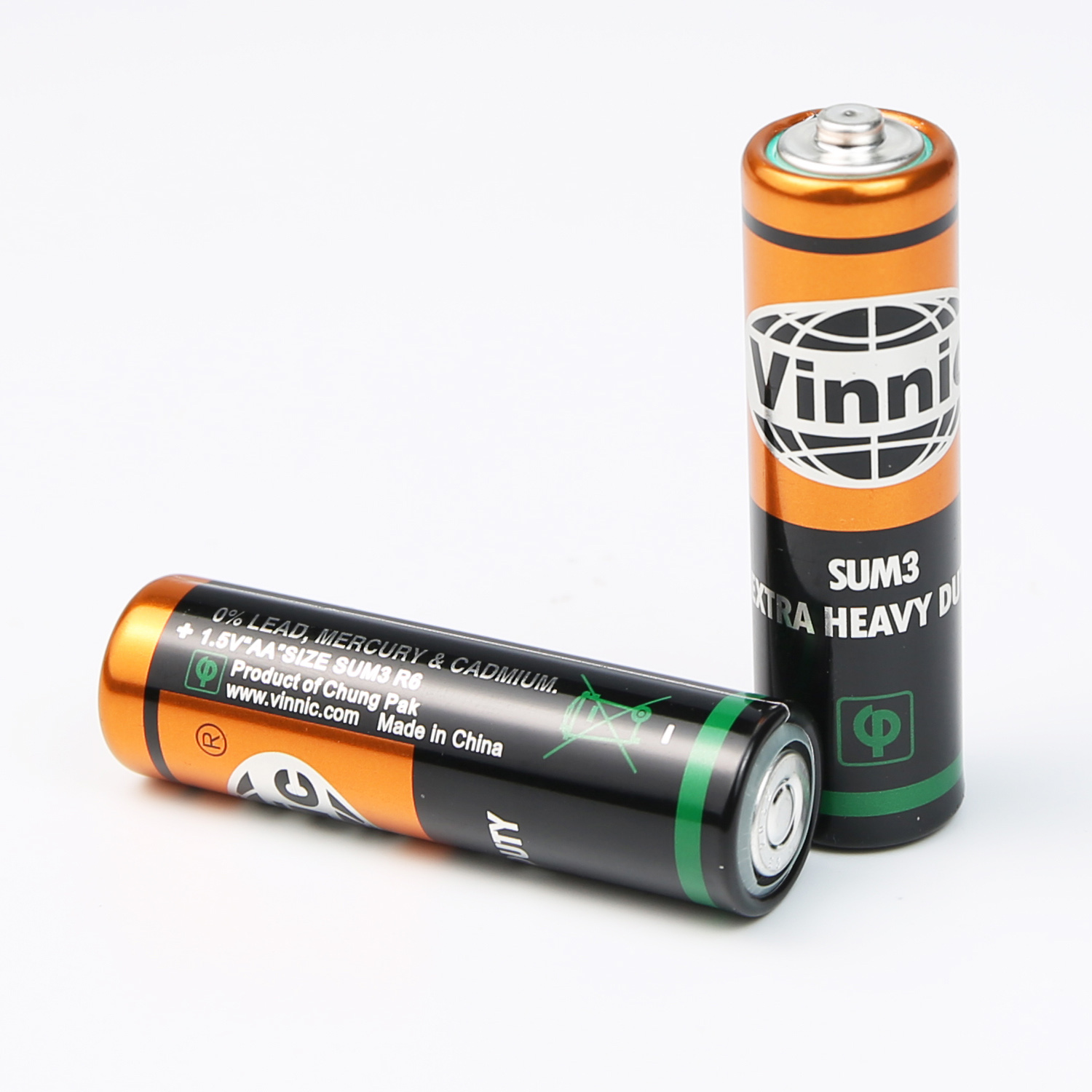
Integrated research and production capabilities enable dedicated tooling for high-volume orders. Production facilities equipped with advanced physical and chemical testing equipment inspect raw materials upon entry, enforcing strict quality thresholds. Certifications such as ISO 9001:2015, IATF 16949:2016, ISO 14001:2015, and UL (UL-US-L66112-03511-10803202-1 for Lithium Battery) ensure that continuous high-volume output complies with international safety and performance specifications without compromising cell integrity.
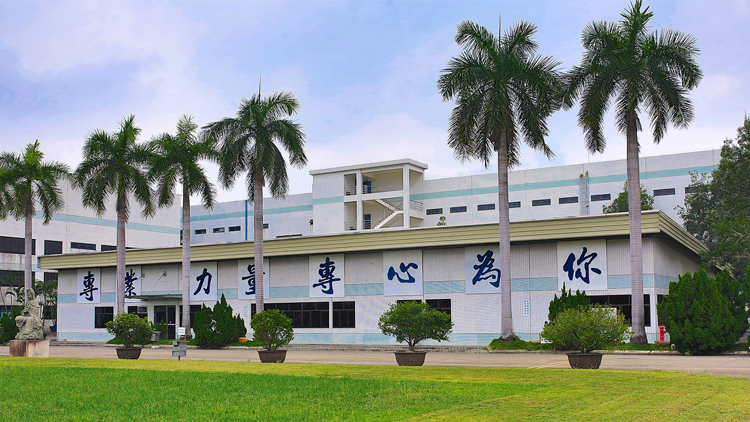
Volume commitments also streamline supply chain logistics. High-volume buyers leverage standard 30-day delivery cycles and containerized freight schedules, reducing unit transit overhead compared to smaller, fragmented shipments. Enterprise manufacturing infrastructure supported by a 170-acre production footprint and over 1.8 billion units of annual capacity accommodates large-scale market demands across America, Europe, Asia, and Africa.
Data/Solution Comparison
The operational and commercial parameters below contrast low-volume baseline purchases against high-volume annual contracts:
| Parameter | Baseline Batch Order | High-Volume Annual Contract |
|---|---|---|
| Minimum Order Quantity (MOQ) | 10,000 units | Multi-batch aggregate (100,000+ units/year) |
| Per-Unit Cost Level | Standard tier | Reduced via bulk material & high line utilization |
| Production Line Allocation | Scheduled batch runs | Dedicated or continuous line scheduling |
| Quality Inspection Protocol | 100% Inline + Lab Sampling | 100% Inline + Lab Sampling + Incoming Raw Material Checks |
| Standard Delivery Lead Time | 30 days | 30 days per scheduled delivery batch |
| Primary Logistics Mode | Sea freight shipping | Sea freight shipping (Containerized bulk) |
Frequently Asked Questions (FAQ)
Why do raw material costs drop for high-volume lithium manganese battery orders?
Bulk purchasing of high-purity electrolytic manganese dioxide, lithium foil, and cell hardware enables raw material discounts. Suppliers pass these savings to buyers who commit to larger annual production volumes.
What minimum order quantity is required to secure bulk production scheduling?
The standard baseline Minimum Order Quantity (MOQ) for industrial battery lines is 10,000 units. Price scaling improves as order volumes expand beyond basic batch thresholds.
How does high-volume manufacturing maintain cell quality and leakage resistance?
High-volume plants utilize automated 100% inline quality inspections, low internal resistance testing, and physical sampling. Accredited management systems including IATF 16949:2016 and ISO 9001:2015 maintain operational precision across large production runs.
Final Conclusion & Recommendations
Lithium manganese battery pricing decreases with higher annual purchasing volumes due to optimized raw material sourcing, automated line efficiency, and amortized operational overhead. Organizations procuring batteries for smart hardware, medical monitors, or automotive remotes should align annual demand to meet or exceed the 10,000-unit MOQ threshold. Leveraging sea freight shipping and planned 30-day delivery cycles further reduces landed unit costs. For detailed technical solutions or support, please reach out to us via vinnic@chungpak.com.
About Us
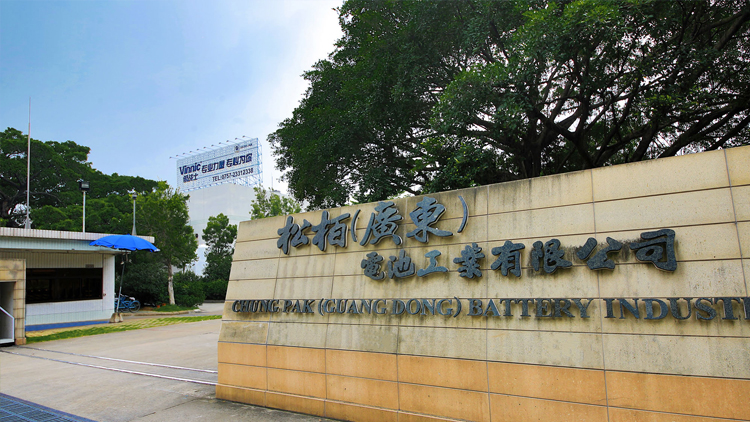
CHUNG PAK (GUANG DONG)BATTERY INDUSTRIAL CO., LTD was established in 1980 and employs approximately 1,000 workers across a 170-acre facility. The company maintains an annual production capacity exceeding 1.8 billion units, manufacturing battery series under the Vinnic brand. Operations adhere to ISO 9001:2015, IATF 16949:2016, ISO 14001:2015, and UL standards to serve global export markets across Europe, America, Southeast Asia, and Africa.

Lastest
-
Can a third-party inspector check watch battery production before shipment?
2026-10-03 -
What voltage drop is acceptable for a lithium manganese battery under load?
2026-10-03 -
What performance data should I compare for a lithium manganese battery?
2026-10-03 -
Can custom watch battery packaging include several sizes in one assortment?
2026-10-03 -
What custom watch battery pack designs are easiest to produce consistently?
2026-10-03
SUBSCRIBE
INQUIRY