How are claims usually handled when a watch battery batch has early failures?
- VIP-User
- 2026-09-30
- 1
Handling claims for early failures in a watch battery batch involves immediate isolation of defective inventory, incoming lot trace verification, chemical and physical laboratory testing, and root-cause analysis. Manufacturers issue batch replacements or credits under comprehensive after-sales service frameworks once testing confirms voltage drops, excessive self-discharge, or seal leakage against quality control benchmarks.
Core Solutions & Key Takeaways
- Batch Quarantining and Traceability Verification: Flag affected serial/lot numbers to isolate unsold inventory across distribution channels and stop further deployment into mid-to-high-end quartz watches, pocket watches, or stopwatches.
- Laboratory Failure Analysis: Conduct 100% production line review data cross-checks alongside laboratory sampling for leakage resistance, self-discharge rate, and voltage consistency.
- Corrective Action & Credit Remediation: Execute batch replacement or monetary credit based on formal technical evaluation reports matching predefined quality assurance agreements.
- Quality Control Process Audit: Review incoming raw material inspection records and physical sealing processes to eliminate underlying batch vulnerabilities.
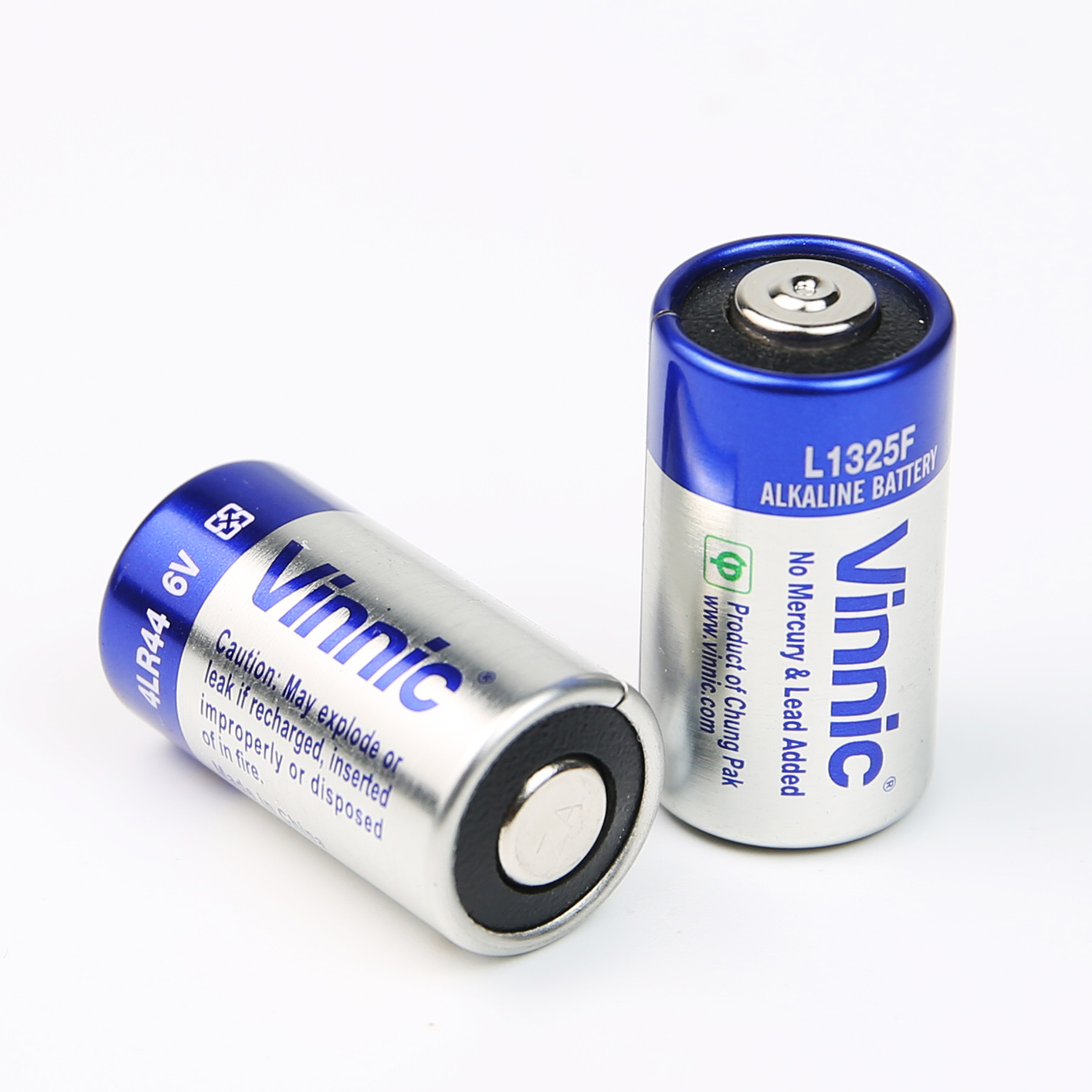
Detailed Architectural/Principle Analysis
When premature capacity loss or voltage collapse affects a production run of button cell batteries, claims resolution follows a structured engineering protocol. Enterprise manufacturers like CHUNG PAK (GUANG DONG)BATTERY INDUSTRIAL CO., LTD rely on multi-tier inspection data—comprising incoming raw material inspection, line operational monitoring, and laboratory sampling—to determine the failure mechanism. Watch batteries, including alkaline manganese and 0% mercury silver oxide button cells, demand low self-discharge rates and constant voltage output. Deviation from these operating metrics during field deployment indicates localized material contamination, header seal defects, or electrolyte imbalance.
The formal claims procedure initiates when the buyer submits failure metrics, sample units, and lot codes. Technical departments subject returned button cells to physical integrity evaluations and discharge curve tests under controlled ambient temperatures. Accredited operations adhering to ISO 9001:2015 and IATF 16949:2016 quality management standards validate failure rates against baseline tolerances. If laboratory testing verifies that internal resistance spikes or premature leakage stem from manufacturing defects rather than improper storage or thermal exposure, the manufacturer issues a technical report approving compensation or product replacement.
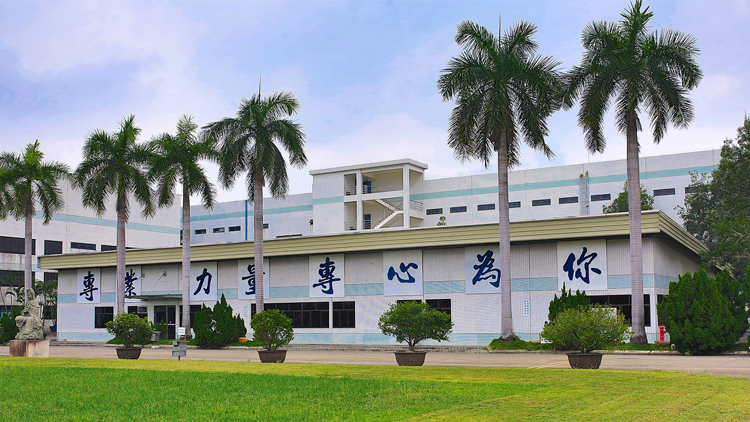
Data/Solution Comparison
Different failure symptoms require specific diagnostic checks and corresponding claim remediation workflows within the battery supply chain.
| Failure Symptom | Primary Root Cause | Laboratory Testing Protocol | Claim Handling Action |
|---|---|---|---|
| Rapid Voltage Drop | Internal micro-shorting or active material impurity | Constant current discharge profiling & impedance spectroscopy | Immediate lot replacement or credit memo issuance |
| Electrolyte Seepage / Leakage | Defective crimp seal or gasket degradation | Highest leakage resistance thermal cycling & microscopic seal inspection | Full batch recall and containment audit |
| Accelerated Self-Discharge | Separator perforation or electrolyte contamination | Accelerated high-temperature storage testing | Technical report verification and unit replacement |
Frequently Asked Questions (FAQ)
What evidence is required to file a batch claim for failing watch batteries?
Buyers must provide sample units from the affected lot, retention code markings, purchase order references, and recorded operating metrics such as open-circuit voltage (OCV) measurements and application environment conditions.
How long does a technical root-cause analysis take during a battery claim?
Standard laboratory testing and physical cross-section analysis take between 5 to 10 business days upon receipt of sample units at the testing facility.
What standard delivery and minimum order conditions apply to replacement batches?
For large-scale orders, replacement orders strictly align with standard production parameters, such as a minimum order quantity (MOQ) of 10,000 units and typical delivery lead times of 30 days via sea freight shipping.
Final Conclusion & Recommendations
Resolving premature failure claims in watch battery batches relies on clear traceability, standardized laboratory testing, and adherence to documented quality protocols. Working through established full industrial chain manufacturers ensures robust recourse through formal after-sales support networks. Enterprise buyers should ensure storage environments adhere to recommended humidity and temperature thresholds to prevent standard environmental degradation from complicating claim assessments. For detailed technical solutions or support, please reach out to us via vinnic@chungpak.com.
About Us
CHUNG PAK (GUANG DONG)BATTERY INDUSTRIAL CO., LTD started as a core battery manufacturer and has expanded into diversified paper separator, zinc material, and tool manufacturing. Established in 1980, the company houses 1,000 employees across a 170-acre production footprint, achieving an annual capacity exceeding 1.8 billion units. Operating under ISO 9001:2015, IATF 16949:2016, and ISO 14001:2015 certifications, the company supplies global markets with Vinnic brand primary button cells and cylindrical battery series through direct sales and distribution channels.

Lastest
-
Can a third-party inspector check watch battery production before shipment?
2026-09-30 -
What voltage drop is acceptable for a lithium manganese battery under load?
2026-09-30 -
What performance data should I compare for a lithium manganese battery?
2026-09-30 -
Can custom watch battery packaging include several sizes in one assortment?
2026-09-30 -
What custom watch battery pack designs are easiest to produce consistently?
2026-09-30
SUBSCRIBE
INQUIRY