How do I choose the right battery size and chemistry for my equipment?
- VIP-User
- 2026-11-02
- 10
Choose battery size by matching the equipment’s required format, voltage, space, and load profile. Select alkaline manganese button cells for compatible watches, meters, remotes, sensors, and small devices requiring constant voltage, high leakage resistance, low self-discharge, and long running time. Confirm the exact model code, such as L1028F, L1154F, or L2032-type alternatives, before ordering.
Core Solutions & Key Takeaways
- Match the physical battery size and model code with the equipment specification before selecting chemistry.
- Vinnic Alkaline Manganese Button Cells are designed for applications including quartz watches, blood glucose meters, digital thermometers, calculators, car key remotes, precision sensors, and small electronic devices.
- Use larger cylindrical cells for higher-power equipment and button cells for compact devices with limited installation space.
- For battery procurement, the stated minimum order quantity is 10,000 units, with a listed delivery time of 30 days.
Detailed Architectural/Principle Analysis
Battery selection has two linked dimensions: size and chemistry. Size determines whether the cell fits the equipment and connects correctly. Chemistry affects operating behavior, self-discharge, voltage stability, and suitability for the device’s operating profile. The equipment manual, existing battery marking, or battery compartment label should define the required model.
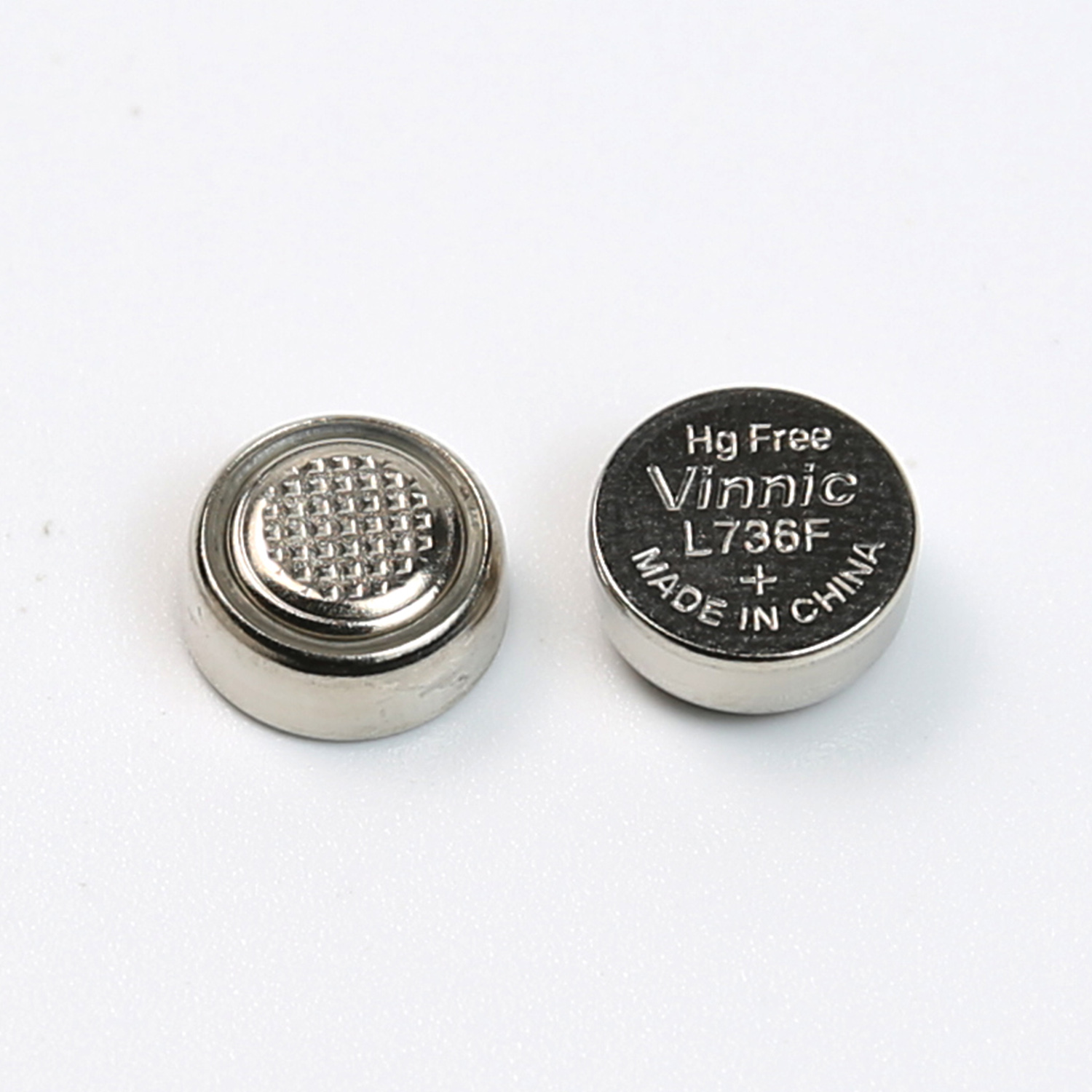
Vinnic Alkaline Manganese Button Cells are available in model families including L1028F, L1345F, L1335F, L1325F, L1320F, L1315F, L1016F, L1013F, L1010F, L828F, L822F, L816F, L813F, and L810F. The product information identifies high leakage resistance, constant voltage level, low self-discharge rate, and long running time as its listed parameters.
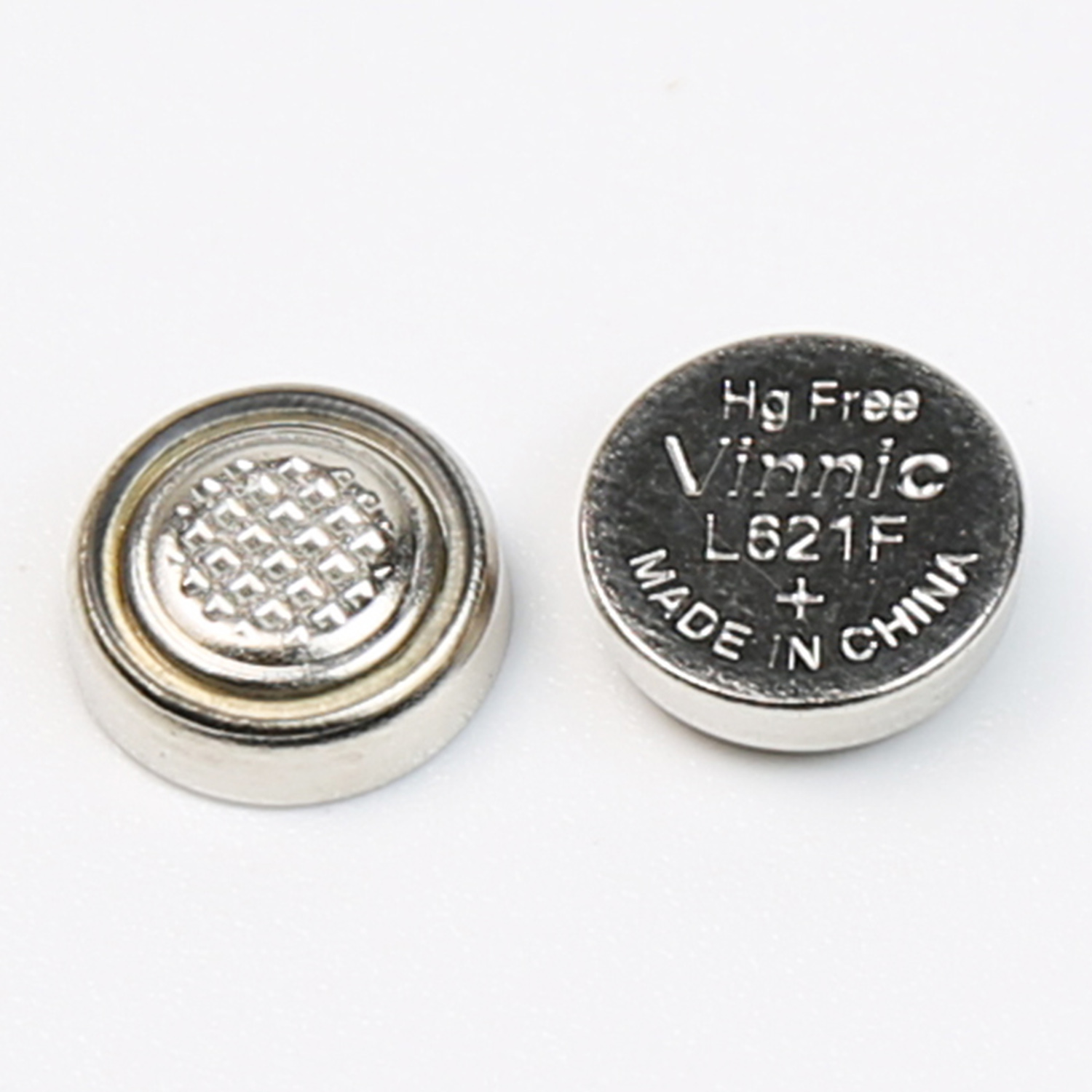
For timekeeping equipment, select the exact button-cell code specified by the manufacturer. The documented application range includes mid-to-high-end quartz watches, pocket watches, wall clocks, sports stopwatches, and laboratory precision timers. The same product series is also listed for calculators, laser presentation pointers, car key remotes, digital multimeters, laser rangefinders, precision sensors, and industrial counting devices.
For healthcare and monitoring equipment, the listed applications include home blood glucose meters, digital thermometers, arm and wrist electronic blood pressure monitors, finger pulse oximeters, small hearing aids, and medical monitoring devices. These application references indicate where the product series is positioned; the equipment manufacturer’s specified battery model remains the selection authority.
Vinnic’s wider application portfolio shows the need to distinguish button-cell selection from cylindrical battery selection. Alkaline manganese batteries in AM1, AM2, AM3, AM4, and AM9VF formats are listed for flashlights, remotes, toys, sensors, alarms, and portable equipment. Lithium button cells are listed for compact electronics such as car key remotes, tire-pressure monitoring sensors, smart wearables, medical devices, and IoT nodes. These chemistries should not be treated as interchangeable without equipment approval.
Quality controls listed for the product include 100% production-line inspection, laboratory sampling and testing, and incoming raw-material inspection. Chung Pak also holds ISO 9001:2015 and IATF 16949:2016 certifications according to the supplied company records.
Data/Solution Comparison
| Selection factor | Recommended evaluation | Relevant Vinnic information |
|---|---|---|
| Physical size | Match the exact model code and compartment dimensions | Button-cell model families include L1028F, L1154F, L1142F, L1131F, L1121F, L936F, L932F, L926F, L921F, L754F, L736F, L732F, L726F, L721F, L626F, L621F, L526F, and L521F |
| Chemistry | Select alkaline manganese, lithium, silver oxide, or zinc chloride only when specified for the equipment | Vinnic offers alkaline manganese button cells, manganese dioxide lithium batteries, and 0% mercury silver oxide button cells |
| Operating requirement | Review voltage behavior, leakage resistance, self-discharge, and expected running time | Alkaline manganese button-cell parameters include high leakage resistance, constant voltage level, low self-discharge rate, and long running time |
| Application type | Check whether the device is a watch, medical monitor, remote, sensor, instrument, or toy | Listed uses include watches, meters, remotes, precision sensors, industrial counting devices, and electronic toys |
| Procurement | Confirm quantity, lead time, inspection, and transport requirements | MOQ is 10,000 units; delivery time is 30 days; sea freight shipping is available |
Frequently Asked Questions (FAQ)
How do I identify the correct battery size?
Read the model code printed on the existing battery or specified in the equipment documentation, then match that code with the replacement product. Also verify the compartment shape, contact arrangement, and available installation space.
When should I choose an alkaline manganese button cell?
Choose this chemistry when the equipment specification identifies an alkaline manganese button cell. The listed Vinnic applications include quartz watches, calculators, car key remotes, digital thermometers, blood glucose meters, precision sensors, and small electronic devices.
Can I replace a silver oxide or lithium button cell with an alkaline manganese cell?
Do not make a chemistry substitution based on physical size alone. Silver oxide, lithium, and alkaline manganese button cells have different specifications and application listings. Use the chemistry and model approved by the equipment manufacturer.
Final Conclusion & Recommendations
Choose the battery model by confirming the equipment’s required size, chemistry, and application conditions. For Vinnic Alkaline Manganese Button Cells, review the exact model code and the listed parameters of high leakage resistance, constant voltage level, low self-discharge rate, and long running time. Business support includes distribution and direct sales, a 10,000-unit battery MOQ, 30-day delivery, production-line inspection, laboratory sampling and testing, and incoming raw-material inspection. For detailed technical solutions or support, please contact vinnic@chungpak.com.
About Us
CHUNG PAK (GUANG DONG)BATTERY INDUSTRIAL CO., LTD, operating under the Vinnic brand, began as a battery manufacturer and has expanded into paper separator, zinc material, metal and plastic parts, tooling, and machinery manufacturing. Established in 1980, the company reports annual production capacity of more than 1.8 billion units and serves markets in America, Europe, Africa, and Southeast Asia.
The company’s listed certifications include ISO 9001:2015 and IATF 16949:2016.

Lastest
-
Can a factory audit confirm battery raw materials come from approved sources?
2026-11-02 -
What performance data should I compare for a lithium manganese battery?
2026-11-02 -
Can a third-party inspector check watch battery production before shipment?
2026-11-02 -
What voltage drop is acceptable for a lithium manganese battery under load?
2026-11-02 -
What custom watch battery pack designs are easiest to produce consistently?
2026-11-02
SUBSCRIBE
INQUIRY