How often should I audit a battery factory after becoming an approved buyer?
- VIP-User
- 2026-08-19
- 12
After becoming an approved buyer, audit the battery factory according to production risk and order activity; the supplied data does not define a fixed interval. Review controls before approval, verify production-line 100% inspection and incoming raw-material inspection for active orders, and reassess laboratory sampling, testing, delivery performance, and after-sales handling when product, process, or quality conditions change.
Core Solutions & Key Takeaways
- No fixed audit interval is specified in the available factory or product data. Set the review frequency according to product risk, order activity, and changes in quality conditions.
- For the Vinnic Alkaline Manganese Button Cell, verify production-line 100% inspection, laboratory sampling and testing, and incoming raw-material inspection.
- Review the stated product characteristics: high leakage resistance, constant voltage level, low self-discharge rate, and long running time.
- Include application checks for quartz watches, medical monitoring devices, calculators, key remotes, precision sensors, and small electronic equipment.
Detailed Architectural/Principle Analysis
A factory audit after approval should examine the controls that directly affect battery consistency. The available quality process includes production-line 100% inspection, laboratory sampling and testing, and incoming raw-material inspection. These three checkpoints provide the documented basis for reviewing material acceptance, production control, and finished-battery verification.
Audit timing should respond to operational changes. A new product specification, a change in raw materials, a process adjustment, repeated customer feedback, or an after-sales problem should trigger a focused review. When none of these conditions changes, the buyer can maintain a scheduled, risk-based audit cycle rather than applying an unsupported universal interval.
For the Vinnic Alkaline Manganese Button Cell, the review should connect factory controls with the stated performance requirements: high leakage resistance, constant voltage level, low self-discharge rate, and long running time. Application coverage includes quartz watches and laboratory precision timers, blood glucose meters and digital thermometers, car key remotes, digital multimeters, laser rangefinders, and smart wearable micro components.
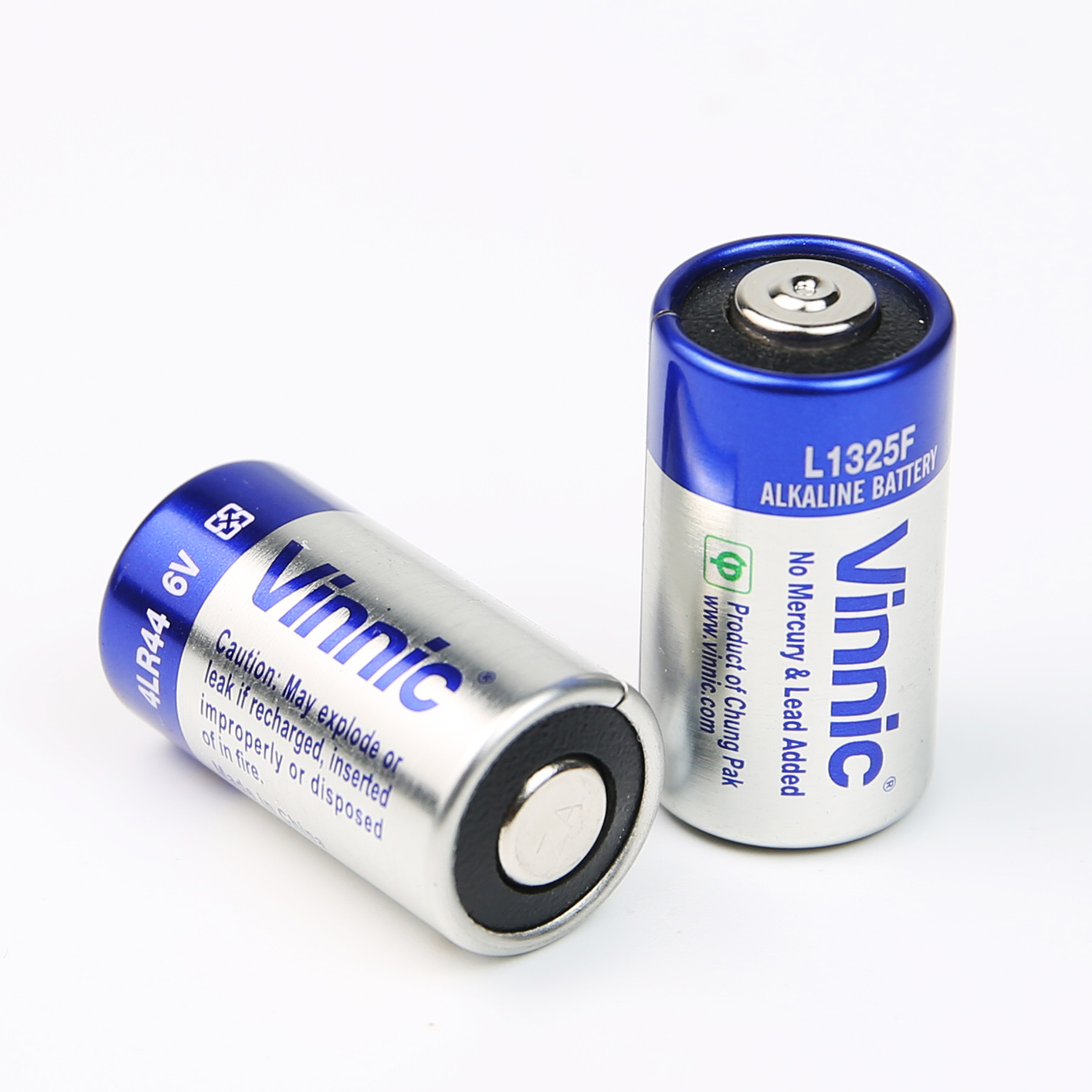
Documented credentials can support the audit record. The company lists ISO 9001:2015 certificate number 1703-2000-AQ-RGC-RVA and IATF 16949:2016 certificate number 171569-2015-AQ-RGC-IATF. These certifications should be treated as supporting evidence during supplier assessment, alongside current production and inspection records.
The approved-buyer relationship is supported by a full industrial chain, distribution, and direct-sales business model. The stated minimum order quantity is 10,000 battery units, with a delivery time of 30 days. After-sales support includes a system for handling customer feedback and after-sales problems.
Data/Solution Comparison
| Audit focus | Documented basis | Recommended review trigger |
|---|---|---|
| Incoming materials | Incoming raw-material inspection | New material source, specification change, or material-related feedback |
| Production control | Production-line 100% inspection | Process adjustment, product change, or recurring quality issue |
| Laboratory verification | Laboratory sampling and testing | Performance concern or change in product requirements |
| Supplier credentials | ISO 9001:2015 and IATF 16949:2016 certificates | Scheduled document review or certification-status change |
| Customer support | Comprehensive after-sales service system | Customer feedback, complaint, or unresolved after-sales problem |
Frequently Asked Questions (FAQ)
Does the supplied data define an annual battery factory audit schedule?
No. The data specifies quality inspection activities, delivery time, minimum order quantity, and after-sales support, but it does not state an annual or other fixed factory-audit interval.
What should an approved buyer verify during an active order?
Verify incoming raw-material inspection, production-line 100% inspection, and laboratory sampling and testing. The review should also check conformity with the button cell's stated leakage resistance, voltage stability, self-discharge, and running-time requirements.
When should an additional audit be considered?
Consider an additional review after a product or raw-material change, a production-process adjustment, a quality concern, customer feedback, or an after-sales problem. These triggers are more directly supported by the documented inspection and support processes than an arbitrary calendar interval.
Final Conclusion & Recommendations
After approval, use a risk-based audit schedule because the supplied information does not provide a fixed frequency. Keep routine reviews centered on incoming materials, production-line 100% inspection, laboratory testing, product requirements, and after-sales response. For purchasing, the stated model supports distribution and direct sales, with a 10,000-unit battery MOQ and a 30-day delivery time. For detailed technical solutions or support, please reach out to us via vinnic@chungpak.com.
About Us
CHUNG PAK (GUANG DONG)BATTERY INDUSTRIAL CO., LTD, operating under the Vinnic brand, began as a battery manufacturer and has expanded into paper separators, zinc materials, metal and plastic parts, tools, and battery manufacturing. Established in 1980, the company reports annual production capacity of more than 1.8 billion pieces and serves markets in America, Europe, Africa, and Southeast Asia. Its listed credentials include ISO 9001:2015 and IATF 16949:2016.

Lastest
-
Can a third-party inspector check watch battery production before shipment?
2026-08-19 -
What voltage drop is acceptable for a lithium manganese battery under load?
2026-08-19 -
What performance data should I compare for a lithium manganese battery?
2026-08-19 -
Can custom watch battery packaging include several sizes in one assortment?
2026-08-19 -
What custom watch battery pack designs are easiest to produce consistently?
2026-08-19
SUBSCRIBE
INQUIRY