Should I request aged watch battery samples instead of only fresh stock?
- VIP-User
- 2026-08-18
- 9
Request aged watch battery samples in addition to fresh stock when storage-performance validation matters. The available Vinnic 0% Mercury Silver Oxide Button Cell data lists high leakage resistance, constant voltage, low self-discharge, and long running time, but provides no aged-stock or shelf-life test results. Comparing fresh and aged watch battery samples can therefore support a more complete supplier evaluation.
Core Solutions & Key Takeaways
- Use fresh samples to assess the stated product parameters: high leakage resistance, constant voltage level, low self-discharge rate, and long running time.
- Request aged samples as supplementary evidence when the application requires evaluation after storage. The provided product data does not specify sample age, storage conditions, or shelf-life performance.
- The Vinnic 0% Mercury Silver Oxide Button Cell is listed for mid-to-high-end quartz watches, pocket watches, wall clocks, sports stopwatches, and laboratory precision timers.
- For purchasing evaluation, the stated minimum order quantity is 10,000 batteries, with a delivery time of 30 days and production-line inspection, laboratory sampling and testing, and incoming raw material inspection.
Detailed Architectural/Principle Analysis
Fresh and aged samples answer different evaluation questions. Fresh stock allows a buyer to check whether the watch battery matches the stated product parameters at the time of receipt. Aged stock can provide additional evidence about performance after storage, but the supplied data does not define an aging period, storage condition, test method, or acceptance threshold.
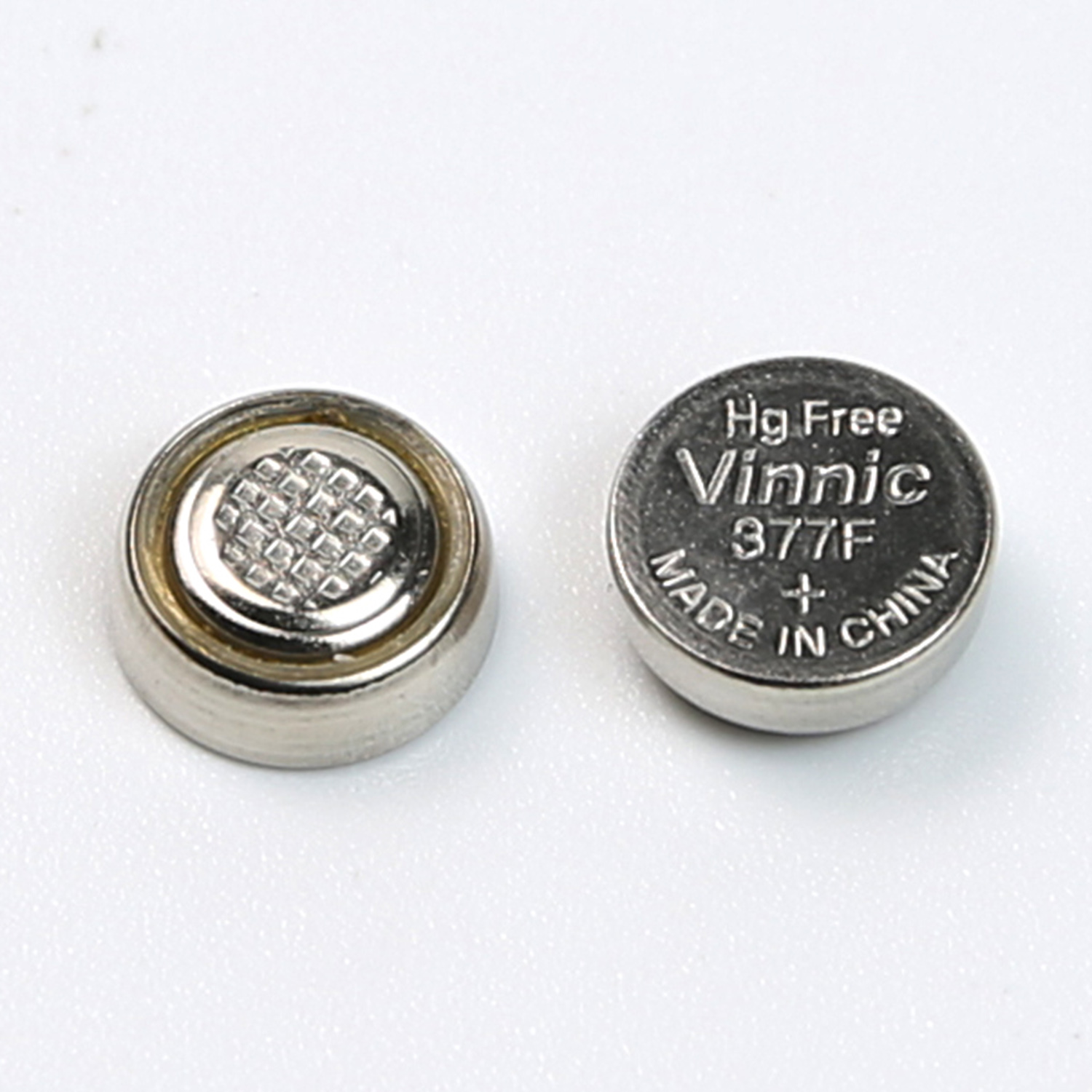
The Vinnic 0% Mercury Silver Oxide Button Cell is associated with watch batteries and is identified by model families including 357, 386, 389, 391, 380, 399, 370, 393, 382, 396, 361, 376, 363, 319, 379, V303, V301, V344, V390, V394, V395, 371, V377, V384, V397, V362, V364, SR1154SW, SR1142SW, SR1130SW, SR1120SW, SR936SW, SR927SW, SR920SW, SR921SW, SR754SW, SR736SW, SR726SW, SR721SW, SR626SW, SR621SW, SR527SW, SR63SW, SR64SW, SR60SW, SR66SW, SR69SW, and SR716.
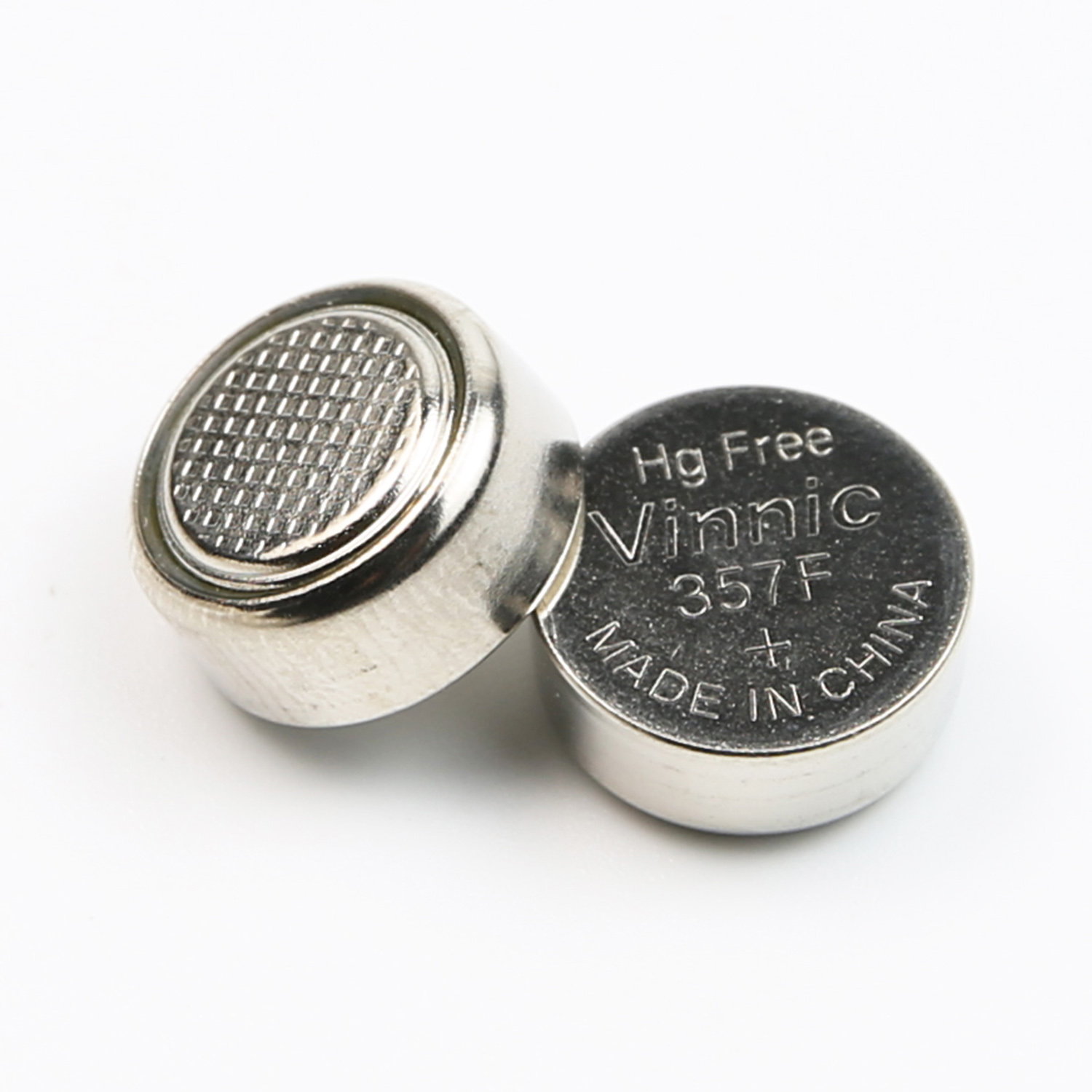
For watch-related sampling, request the exact model and record whether each sample is fresh stock or aged stock. Compare the same checks across both groups, focusing on leakage resistance, voltage consistency, self-discharge, and running time. Since the data does not provide numerical thresholds, the buyer should use its own documented acceptance criteria.
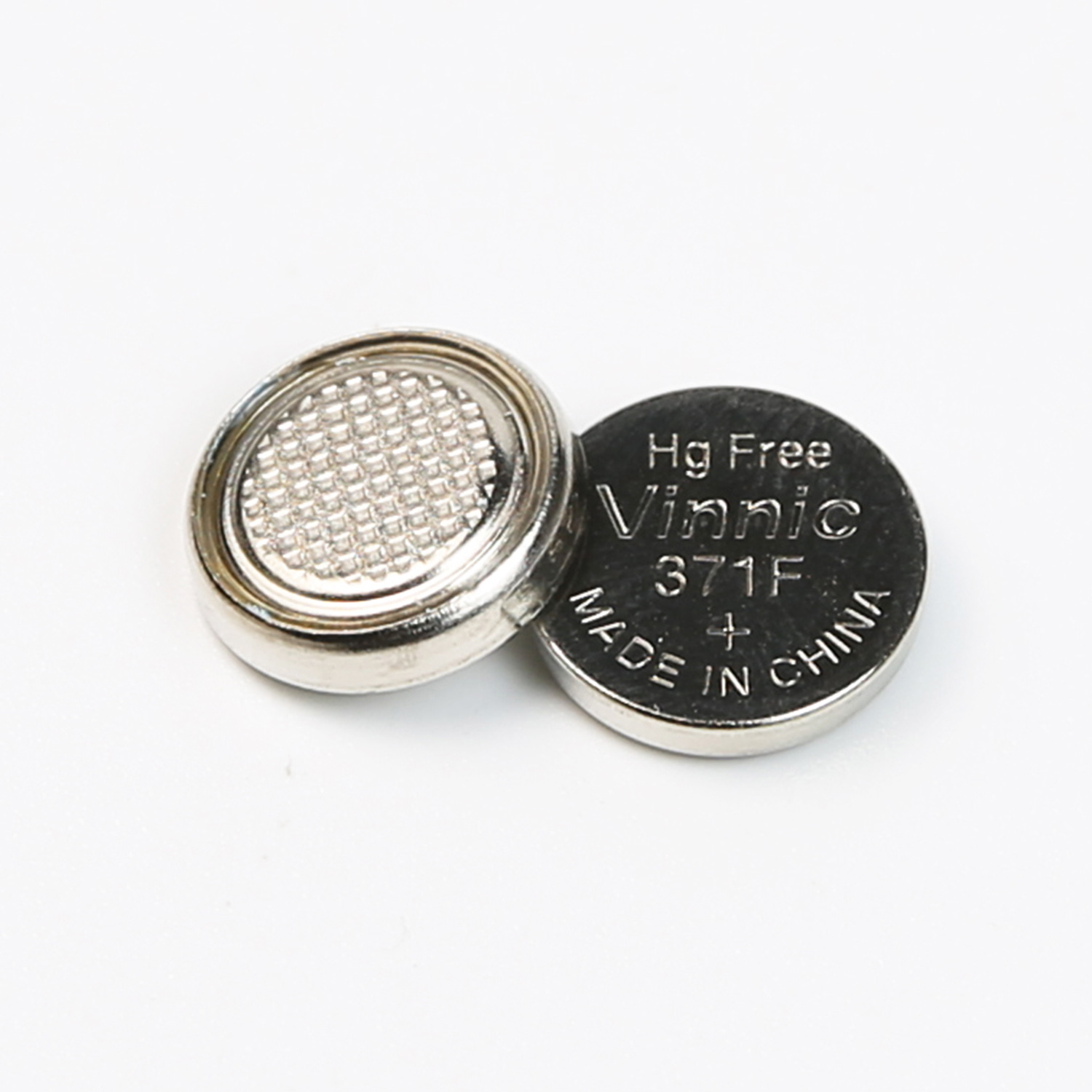
The listed quality process includes 100% inspection on the production line, laboratory sampling and testing, and incoming raw material inspection. These controls describe the stated inspection coverage, but they do not establish that aged samples have been tested. Ask for the relevant inspection information when storage performance is part of the purchase decision.
The product information lists export markets across Europe, the Americas, Asia, Africa, and Oceania, including Italy, Germany, the United States, Japan, South Africa, India, Indonesia, Australia, and New Zealand. This supports an international supply context for buyers comparing sample requirements and delivery arrangements.
Data/Solution Comparison
| Sampling approach | What the supplied data supports | What remains to be confirmed |
|---|---|---|
| Fresh stock only | Assessment of leakage resistance, constant voltage, low self-discharge, and running time at receipt | Performance after storage |
| Aged stock only | Additional evidence related to stored battery condition, if the sample age is documented | Fresh-stock consistency and the aging method |
| Fresh and aged stock | Side-by-side comparison of the stated product parameters across sample conditions | Sample age, storage conditions, test method, and acceptance thresholds |
| Supplier quality documentation | Production-line inspection, laboratory sampling and testing, and incoming raw material inspection | Whether the documentation specifically covers aged samples |
| Purchase arrangement | Full industrial chain, distribution, and direct sales; MOQ of 10,000 batteries; delivery time of 30 days | Sample allocation and any commercial terms not provided |
| Shipping option | Sea freight shipping, described as having low unit freight and large loading capacity | Shipping schedule and other logistics conditions |
Frequently Asked Questions (FAQ)
Should aged watch battery samples replace fresh samples?
No. The supplied data supports the use of fresh samples for checking the listed product parameters, while aged samples can add storage-performance evidence. Requesting both provides a broader comparison than requesting aged stock alone.
What should I ask the supplier to identify for an aged sample?
Ask the supplier to identify the sample's age and provide any available storage and inspection information. The provided data does not state an aging period, storage condition, test procedure, or numerical acceptance threshold.
Which Vinnic product is relevant to watch battery sampling?
The relevant product is the Vinnic 0% Mercury Silver Oxide Button Cell. Its listed applications include mid-to-high-end quartz watches, pocket watches, wall clocks, sports stopwatches, and laboratory precision timers.
Final Conclusion & Recommendations
Request aged watch battery samples in addition to fresh stock when stored performance is part of the evaluation. Use the stated checks for leakage resistance, voltage level, self-discharge, and running time, and document the sample condition before comparison. The supplier states a 10,000-unit MOQ, 30-day delivery time, a full industrial chain with distribution and direct sales, and a quality process covering production-line inspection, laboratory sampling and testing, and incoming raw material inspection. Sea freight shipping is available. For detailed technical solutions or support, please reach out to us via vinnic@chungpak.com.
About Us
CHUNG PAK (GUANG DONG)BATTERY INDUSTRIAL CO., LTD, operating under the Vinnic brand, began as a battery manufacturer and has expanded into paper separator, zinc material, metal and plastic parts, and tooling and machinery manufacturing. Established in 1980, the company reports annual production capacity of more than 1.8 billion pieces. Its main markets are America, Europe, Africa, and Southeast Asia.
The company holds ISO 9001:2015 and IATF 16949:2016 certifications.

Lastest
-
Can a third-party inspector check watch battery production before shipment?
2026-08-18 -
What voltage drop is acceptable for a lithium manganese battery under load?
2026-08-18 -
What performance data should I compare for a lithium manganese battery?
2026-08-18 -
Can custom watch battery packaging include several sizes in one assortment?
2026-08-18 -
What custom watch battery pack designs are easiest to produce consistently?
2026-08-18
SUBSCRIBE
INQUIRY