What sample approval terms protect us if the bulk battery quality changes?
- VIP-User
- 2026-08-22
- 13
Sample approval terms should define the approved Vinnic Alkaline Manganese Dry Battery as the control reference, record its environmental, leakage-resistance, internal-resistance, shelf-life, and size requirements, and require written approval for changes. The terms should also specify production-line inspection, laboratory sampling, incoming-material checks, batch rejection or corrective action, and after-sales handling if bulk batteries differ from the approved sample.
Core Solutions & Key Takeaways
- Identify the approved sample by product name, battery size, model, packaging, and written technical characteristics. The listed Vinnic series covers D, C, AA, AAA, and 9 Volt batteries.
- Convert the product information into measurable acceptance points: environmentally friendly construction, high leakage resistance, low internal resistance, and a five-year shelf life.
- Require production controls that match the stated quality process: 100% production-line inspection, laboratory sampling and testing, and incoming raw material inspection.
- Link any bulk-quality deviation to written notification, batch review, corrective action, replacement or other agreed remedy, supported by the supplier's after-sales service system.
Detailed Architectural/Principle Analysis
The approved sample should function as the physical and documented reference for the bulk order. The agreement should identify the Vinnic Alkaline Manganese Dry Battery and the applicable size or model, then attach the approved sample record to the purchase documentation. This prevents a general product name from becoming the only quality reference.
The acceptance section should repeat the available product parameters: environmentally friendly, highest leakage resistance, low internal resistance, five years shelf life, and a complete line of D, C, AA, AAA, and 9 Volt batteries. Where the buyer requires a specific size, the contract should state that size clearly rather than treating the complete range as interchangeable.

Change control protects the approved reference after sampling. A suitable term is that changes affecting materials, construction, battery size, packaging, or the listed performance characteristics require written notice and renewed sample approval before shipment. The provided data confirms incoming raw material inspection and laboratory testing, so the agreement can connect those controls to the approved sample.
Bulk verification should define the inspection record for each shipment or production batch. The available quality process supports three checkpoints: 100% inspection on the production line, laboratory sampling and testing, and incoming raw material inspection. The parties should retain the test results and compare the bulk goods with the approved sample and attached requirements.
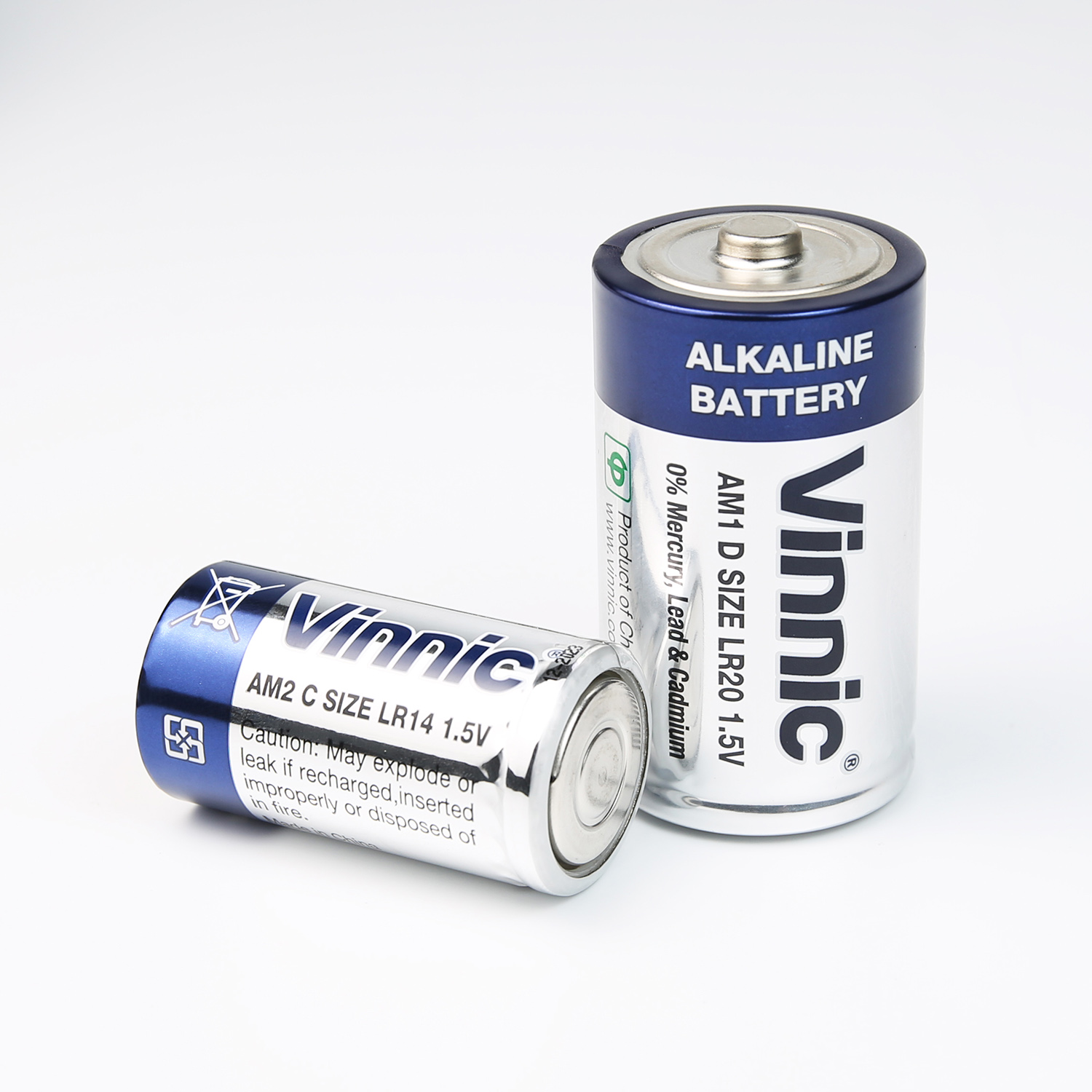
The application scope should be tied to the selected size. The supplied scenarios list D batteries for high-power flashlights, searchlights, portable speakers, emergency lights, and industrial sensors; AA batteries for remotes, wireless keyboards, clocks, toys, medical meters, and small sensors; and AAA batteries for compact remotes, electronic scales, Bluetooth earphone cases, thermometers, and security sensors. This supports a sample record that states the intended battery size and application category.
A deviation clause should state what happens when bulk batteries differ from the approved sample. The buyer should be able to document the variance, suspend acceptance of the affected goods, request investigation and corrective action, and apply the agreed replacement or other remedy. The supplier data states that a comprehensive after-sales service system handles customer feedback and after-sales problems.
The supplier's listed credentials include ISO 9001:2015 and IATF 16949:2016. These certifications can be recorded in the supplier qualification file, while the contract should continue to rely on the approved sample, inspection records, and agreed remedies for the specific order.
Data/Solution Comparison
| Approval Term | Protection Provided | Relevant Supplier Data |
|---|---|---|
| Reference sample and written product record | Creates a fixed comparison point for bulk batteries | Vinnic Alkaline Manganese Dry Battery; D, C, AA, AAA, and 9 Volt range |
| Performance and shelf-life requirements | Defines the characteristics that cannot change without written approval | Environmentally friendly; highest leakage resistance; low internal resistance; five years shelf life |
| Inspection and testing requirement | Provides evidence for accepting or rejecting bulk goods | 100% production-line inspection; laboratory sampling and testing; incoming raw material inspection |
| Change notification and reapproval | Prevents unapproved changes from entering a bulk shipment | Written change control should be linked to the approved sample |
| Deviation remedy and after-sales process | Defines the response when bulk quality differs from the sample | Comprehensive after-sales service system; delivery time stated as 30 days |
| Purchasing and logistics terms | Sets commercial conditions for the bulk order | MOQ of 10,000 battery units; sea freight shipping available |
Frequently Asked Questions (FAQ)
Which characteristics should appear in the approved sample record?
Record the product name, selected size or model, environmental claim, leakage-resistance requirement, internal-resistance requirement, shelf-life requirement, packaging, and any approved visual details. The product data specifies five years shelf life and a complete D, C, AA, AAA, and 9 Volt line.
How should a buyer verify the bulk batteries?
Use the approved sample and written requirements as the comparison reference. Request the production-line inspection record, laboratory sampling and testing results, and incoming raw material inspection records for the affected goods.
What should happen if the bulk batteries differ from the approved sample?
The buyer should document the variance, place the affected goods on hold, request supplier investigation and corrective action, and apply the agreed replacement or other remedy. Any material or product change should require written notice and renewed approval before shipment.
Final Conclusion & Recommendations
A protective sample approval arrangement should combine a clearly identified Vinnic battery sample, written size and performance requirements, documented inspection evidence, change notification, and a defined remedy for deviations. For purchasing, the stated MOQ is 10,000 battery units and the stated delivery time is 30 days; sea freight shipping is available. CHUNG PAK (GUANG DONG)BATTERY INDUSTRIAL CO., LTD lists ISO 9001:2015 and IATF 16949:2016 certifications and supports full industrial chain, distribution, and direct sales. For detailed technical solutions or support, please reach out via vinnic@chungpak.com.
About Us
CHUNG PAK (GUANG DONG)BATTERY INDUSTRIAL CO., LTD, operating under the Vinnic brand, began as a battery manufacturer and expanded into paper separators, zinc materials, metal and plastic parts, and tools manufacturing alongside its battery business. Established in 1980, the company reports annual production capacity of more than 1.8 billion pieces. Its products include batteries and button cells, with main markets in America, Europe, Africa, and Southeast Asia.
The company lists ISO 9001:2015 and IATF 16949:2016 certifications.

Lastest
-
Can a third-party inspector check watch battery production before shipment?
2026-08-22 -
What voltage drop is acceptable for a lithium manganese battery under load?
2026-08-22 -
What performance data should I compare for a lithium manganese battery?
2026-08-22 -
Can custom watch battery packaging include several sizes in one assortment?
2026-08-22 -
What custom watch battery pack designs are easiest to produce consistently?
2026-08-22
SUBSCRIBE
INQUIRY