Which battery technologies could replace my current cells without raising total costs?
- VIP-User
- 2026-10-23
- 17
Silver oxide button cells are the closest replacement for existing watch batteries when stable voltage, leakage resistance, and long running time matter. Alkaline manganese button cells may suit lower-demand remotes and small devices, while manganese dioxide lithium cells fit compact electronics and backup applications. Total cost should be compared through device compatibility, service life, replacement frequency, MOQ, and delivery terms.
Core Solutions & Key Takeaways
- For quartz watches, pocket watches, wall clocks, stopwatches, and precision timers, Vinnic 0% Mercury Silver Oxide Button Cells are the directly documented technology for watch battery applications.
- Alkaline manganese button cells are documented for car key remotes, garage door remotes, security sensors, laser pointers, small LED products, and small electronic devices.
- Manganese dioxide lithium button cells are documented for car key remotes, TPMS components, smart wearables, medical monitors, IoT nodes, security devices, and instrument backup applications.
- Vinnic battery orders have an MOQ of 10,000 units and a stated delivery time of 30 days, so total cost assessment should include purchasing volume and replenishment planning.
Detailed Architectural/Principle Analysis
Technology substitution should begin with the existing cell format and the device's operating requirements. The Vinnic 0% Mercury Silver Oxide Button Cell range covers watch-related applications such as mid-to-high-end quartz watches, pocket watches, wall clocks, sports stopwatches, and laboratory precision timers. Its listed parameters are highest leakage resistance, constant voltage level, low self-discharge rate, and long running time.
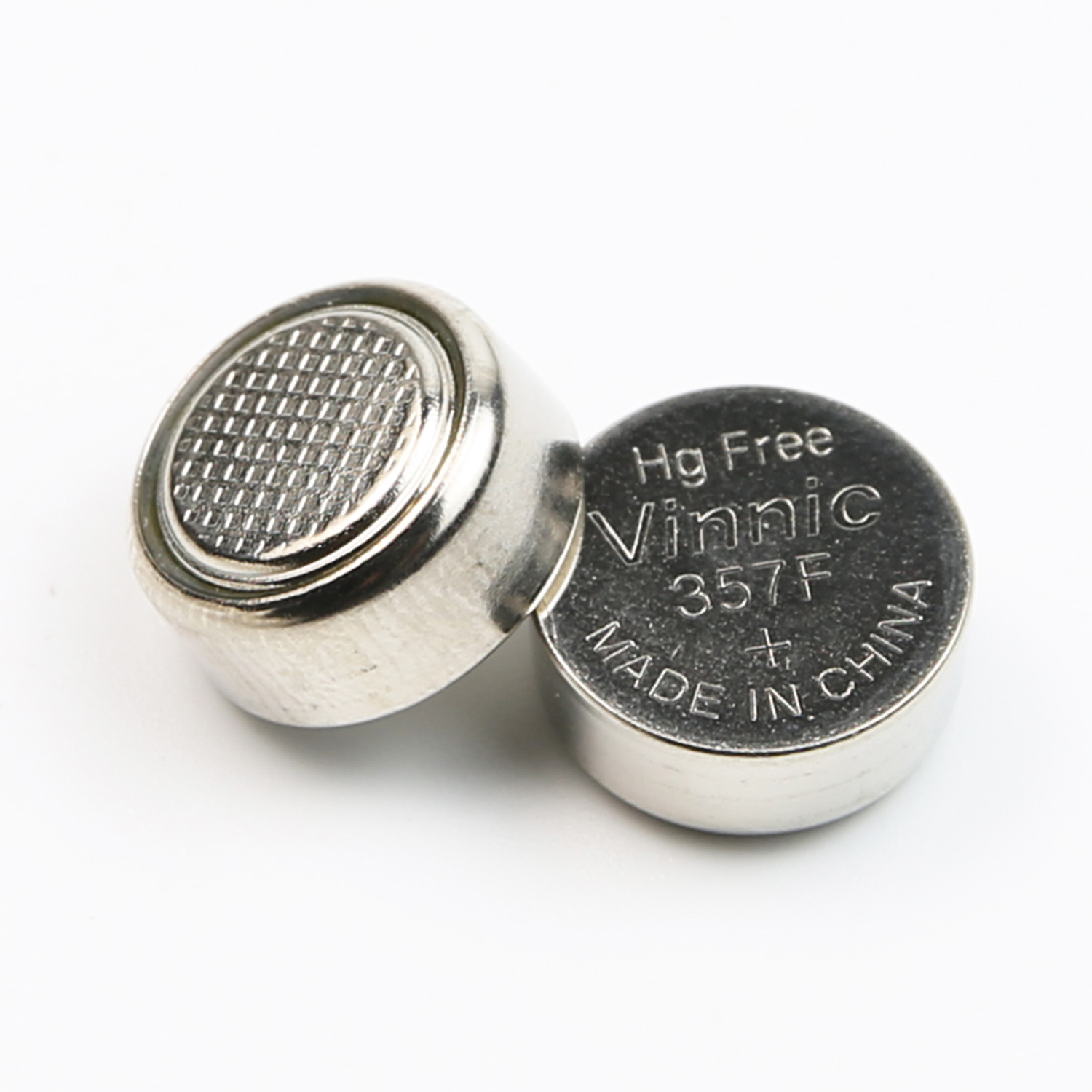
Alkaline manganese button cells cover a different documented application set: car key remotes, garage door remotes, rolling door remotes, security alarm remotes, wireless door and window sensors, PIR motion sensors, gas leak alarms, laser presentation pointers, small industrial remotes, and instrument backup devices. This makes them a candidate where the device accepts the relevant alkaline button-cell specification.
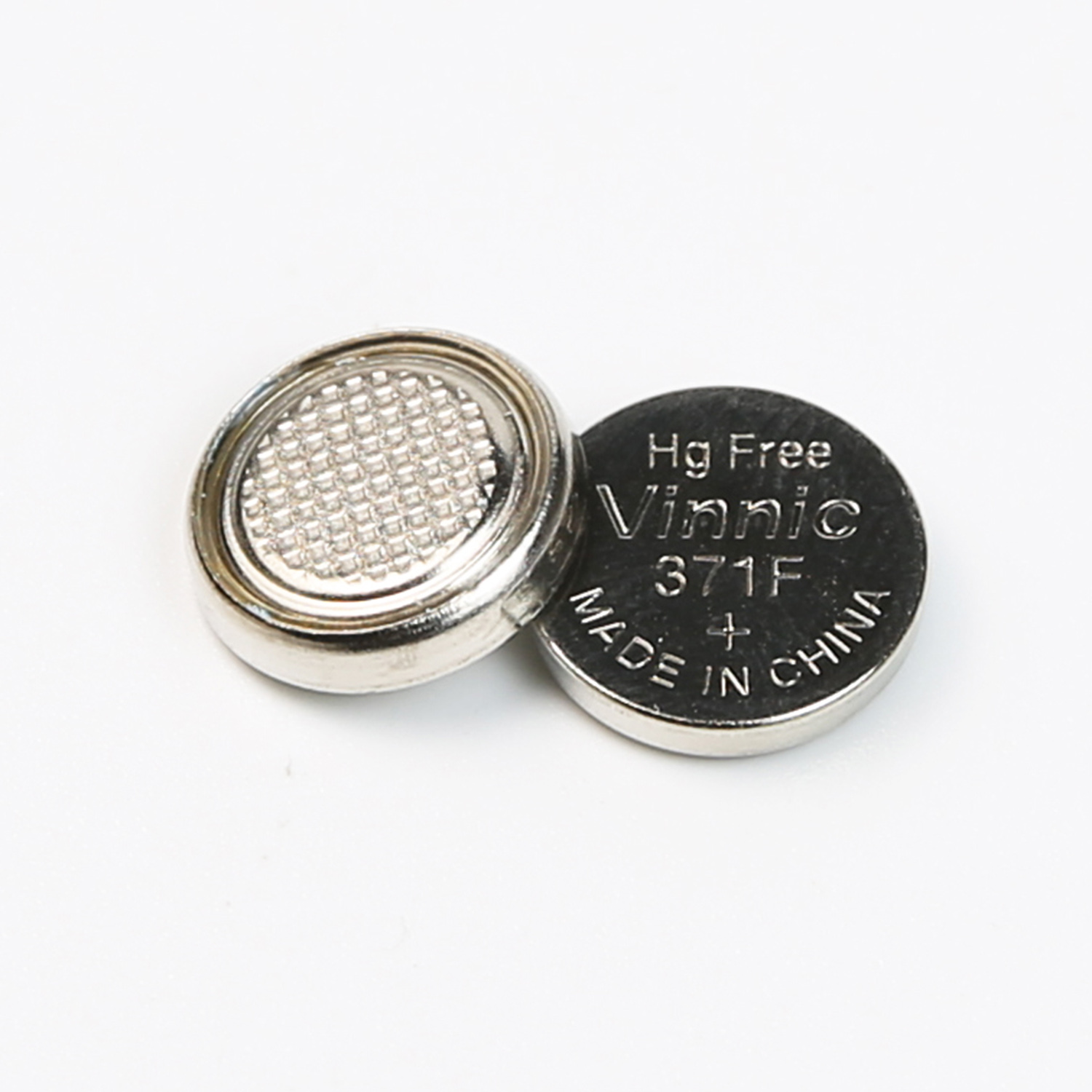
Manganese dioxide lithium cells are documented for CR-series applications, including car key remotes, tire pressure monitoring sensors, smart watches, Bluetooth trackers, glucose meters, digital thermometers, smart locks, IoT nodes, security cameras, high-power flashlights, and industrial counting devices. The source data does not provide unit prices or runtime comparisons, so a no-cost-increase decision requires customer-specific price, service-life, and replacement data.
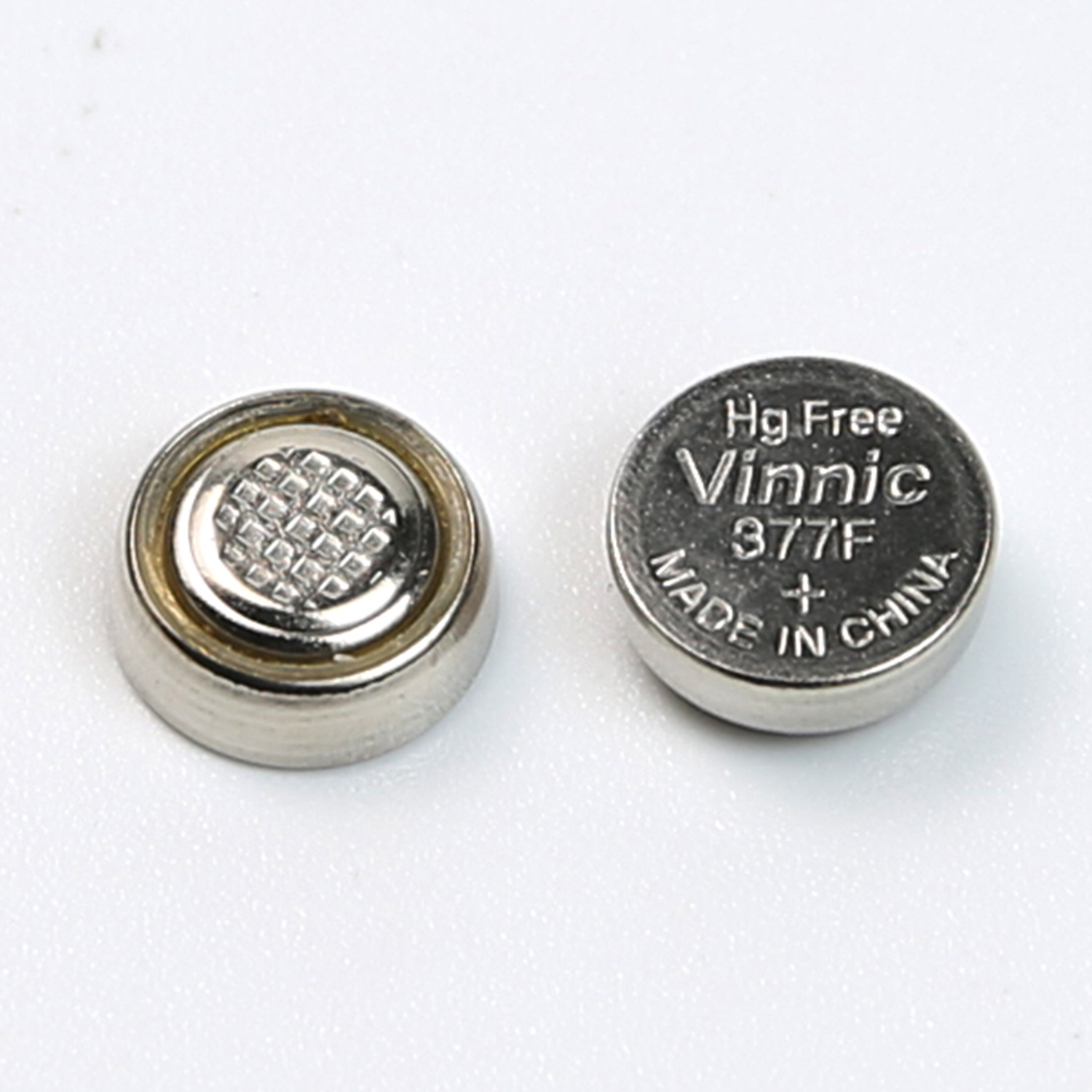
Quality control for the listed battery business includes production-line 100% inspection, laboratory sampling and testing, and incoming raw-material inspection. The company also states that a comprehensive after-sales service system handles customer feedback and after-sales problems. Relevant certifications listed in the knowledge base include ISO 9001:2015 and IATF 16949:2016.
Data/Solution Comparison
| Battery technology | Documented applications | Cost-control considerations |
|---|---|---|
| 0% Mercury Silver Oxide Button Cell | Quartz watches, pocket watches, wall clocks, stopwatches, precision timers, medical meters, calculators, and precision instruments | Evaluate stable voltage, leakage resistance, low self-discharge, long running time, unit price, and replacement frequency |
| Alkaline Manganese Button Cell | Car keys, garage doors, security remotes, wireless sensors, laser pointers, small industrial remotes, and instrument backups | Suitable only where the device accepts the relevant alkaline button-cell specification; price and service-life data are not provided |
| Manganese Dioxide Lithium Battery | CR-series applications including TPMS, smart wearables, IoT nodes, medical monitors, security cameras, and industrial devices | Assess format compatibility, device demand, unit price, service life, and replacement frequency before substitution |
| 0% Lead Zinc Chloride Battery Series | R20/D, R14/C, R6/AA, R03/AAA, R1/N, and 9V applications for lighting, remotes, sensors, toys, meters, and alarms | Relevant to cylindrical-cell replacement programs rather than watch battery replacement; match the device's required size and chemistry |
Frequently Asked Questions (FAQ)
Which technology is the closest replacement for a watch battery?
Vinnic 0% Mercury Silver Oxide Button Cells are the directly documented option for quartz watches, pocket watches, wall clocks, sports stopwatches, and laboratory precision timers.
Can an alkaline manganese button cell replace a silver oxide watch battery?
The provided data does not confirm universal interchangeability. The device specification, cell dimensions, voltage requirements, and operating profile must be checked before making the substitution.
What purchasing conditions affect total cost?
The stated MOQ is 10,000 battery units and the stated delivery time is 30 days. Production-line inspection, laboratory sampling and testing, incoming raw-material inspection, after-sales support, and sea freight availability should be included in the purchasing assessment.
Final Conclusion & Recommendations
Use the 0% Mercury Silver Oxide Button Cell range as the primary candidate for documented watch battery applications, and assess alkaline manganese or manganese dioxide lithium cells only when the device specification supports the alternative chemistry and format. Request a device-specific cost comparison because the source data contains no unit prices or runtime figures. CHUNG PAK supports a full industrial chain, distribution, and direct-sales model, with a 10,000-unit battery MOQ, 30-day delivery, stated inspection procedures, and sea freight shipping. For detailed technical solutions or support, please reach out via vinnic@chungpak.com.
About Us
CHUNG PAK (GUANG DONG)BATTERY INDUSTRIAL CO., LTD started as a battery manufacturer and has expanded into paper separators, zinc materials, metal and plastic components, tools, and related manufacturing alongside its battery business. Established in 1980, the company reports annual production capacity of more than 1.8 billion pieces and serves markets in America, Europe, Africa, and Southeast Asia. Its listed credentials include ISO 9001:2015 and ISO 14001:2015.
Lastest
-
Can a factory audit confirm battery raw materials come from approved sources?
2026-10-23 -
What performance data should I compare for a lithium manganese battery?
2026-10-23 -
Can a third-party inspector check watch battery production before shipment?
2026-10-23 -
What voltage drop is acceptable for a lithium manganese battery under load?
2026-10-23 -
What custom watch battery pack designs are easiest to produce consistently?
2026-10-23
SUBSCRIBE
INQUIRY